
INTRODUCING KWIK MIND
Nutrition for a Limitless LIFE
Unlock Your Brain’s True Potential:
Say hello to new levels of cognitive performance with our advanced nootropic supplement.
 Shop Now
100% Satisfaction, 60-day money-back guarantee
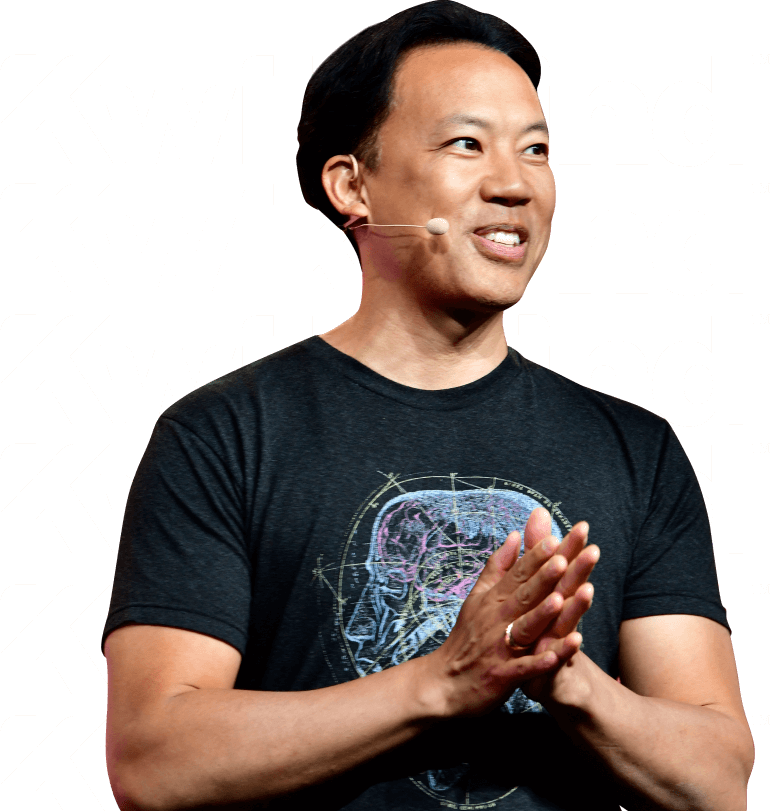
A NOTE FROM JIM KWIK
Our Mission is to Help You Reach Your Highest State of Mind
One of the most frequent questions I get is, “Jim, what supplements do you take for your brain?”
If you've been following my work, you know that I was labeled a boy with a broken brain. Since my head injury, turning my challenges into strength has been a long journey.
Over many years, I tried countless formulas to help me perform at my best. But I never made public recommendations on what those are until now.
After experimenting with various brain supplements, Kwik Mind has helped me experience the best combination for daily improvement and maintenance.
100% Satisfaction, 60-day money-back guarantee
EXPERIENCE THE POWER OF KWIK MIND
INCREASE YOUR MENTAL CAPACITY AND PERFORMANCE
Made with the highest quality ingredients as a result of extensive research and development.
POPULAR
20% OFF
Subscription
Commit to a monthly recurring order and be rewarded with 20% off regular pricing. Suitable for those who like to “set it and forget it” and have their product show up at their door every month.
$85.00 $68/bottle
$17 Instant Savings!
BIG SAVINGS
BUY 2, GET 1 FREE
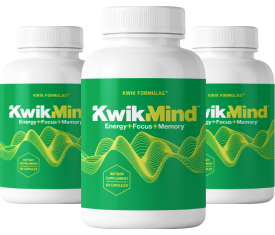
3 Bottle Pack
When you order 3 bottles or more, receive our best deal available. Great for those who travel a lot or want to share with their friends and family.
$255.00 $50/bottle
$105 Instant Savings!
$85 VALUE
INTRODUCTORY
One Time Purchase
If you are unsure and want to experience the benefits before you become a regular customer this is a great option for you.
$85.00 $75/bottle
$10 Instant Savings!
Top 50 Podcast show
51M
Downloads (Kwik Brain)
SPEAKS TO
250,000+
Audience members yearly
Students from
195
Countries around the world

TOMMY R.
“REVOLUTIONARY”
Lorem ipsum dolor sit amet, consectetur adipiscing elit, sed do eiusmod tempor incididunt ut labore et dolore magna aliqua. Ut enim ad minim veniam, quis nostrud exercitation ullamco laboris.
Verified Buyer
BINH L.
“IT REALLY WORKS”
Lorem ipsum dolor sit amet, consectetur adipiscing elit, sed do eiusmod tempor incididunt ut labore et dolore magna aliqua. Ut enim ad minim veniam, quis nostrud exercitation ullamco laboris.
Verified Buyer
SARAH F.
“GAMECHANGER”
Lorem ipsum dolor sit amet, consectetur adipiscing elit, sed do eiusmod tempor incididunt ut labore et dolore magna aliqua. Ut enim ad minim veniam, quis nostrud exercitation ullamco laboris.
Verified Buyer
Benefits of Daily Use


Enhanced Cognitive Clarity:
Sharpen your mental edge with Kwik Mind, designed to cut through the fog and elevate your cognitive clarity. Whether it's recalling names at a moment's notice or navigating complex tasks, our formula helps you maintain mental precision when it matters most.


Natural Energy Lift
Say goodbye to the midday slump. Kwik Mind's blend invigorates your mind naturally, giving you the steady energy to power through your workload without the crash, keeping you productive and alert from dawn until dusk.


Stress Resilience
Build your mental resilience with Kwik Mind. Our supplement supports your brain's natural ability to withstand stress and anxiety, empowering you to stay calm and focused under pressure and adapt to life's challenges with ease.


Protect Your Future
Invest in your brain's future. Kwik Mind is formulated not just for immediate cognitive benefits, but also to nourish and protect your brain for the long haul, promoting healthy brain function and aiding in the maintenance of neural vitality."
100% Satisfaction, 60-day money-back guarantee
“Our most precious gift is our brain. It is what allows us to learn, love, think, create, and even to experience joy. It is the gateway to our emotions, to our capacity for deeply experiencing life, to our ability to have lasting intimacy. It allows us to innovate, grow, and accomplish.”
- Jim Kwik, World’s #1 Brain Performance Coach
Testimonials
"Kwik Mind has transformed my daily grind. Enhanced concentration have become the new norm. It's effective, safe, and backed by science. A must-try for anyone needing a cognitive lift."
- Liem N., Marketing Specialist
"Been on Kwik Mind for a few weeks and the difference is clear. Tasks that used to overwhelm me now feel achievable. It's like a mental fog has lifted, boosting both my mood and efficiency. Definitely sticking with it."
- Mary R., Logistics Manager
"Kwik Mind stands out as the unparalleled leader in cognitive enhancement. My mental agility and recall have significantly improved, making studying and multitasking feel less daunting. It tops all other products I've tried, with no adverse effects, making it a reliable ally in my quest for peak cognitive performance."
- Mark S, Computer Programmer
"Working with tons of data all day, I need to stay sharp. Kwik Mind has been a huge help. It keeps me awake without the crash, helps me think clearly, and even keeps the stress at bay. It's like it's made for keeping me on the ball longer. Really glad I found it."
- Kamil Banc, Data Analyst
COMPARISON
US vs. THEM
| | KwikMind | Competitors |
|---|---|---|
| 5 key ingredients | ✔️ | ✖️ |
| Fast-acting long-lasting effects | ✔️ | |
| Safe and natural | ✔️ | ✖️ |
| Trusted | ✔️ | ✖️ |
| Great value | ✔️ | ✖️ |
| Personalized support | ✔️ | ✖️ |
OUR BRAIN BOOST GUARANTEE

Hassle-Free Returns
We’re confident that you’ll love our brain supplement, but if for any reason you’re not completely satisfied, we offer a 60-day money-back, no questions asked guarantee.

Transparency
We believe in being transparent about our product and its ingredients, so you know exactly what’s in Kwik Mind.

Made and Formulated In The USA
Our brain supplement is carefully formulated in the USA using the latest research and cutting-edge technology to deliver the best possible results.
INGREDIENTS
Your Ultimate Brain Formula
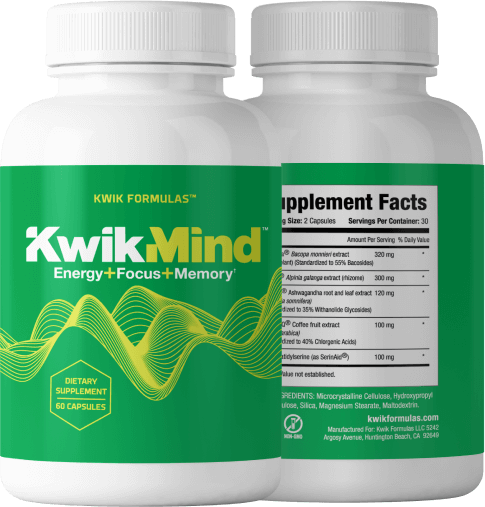
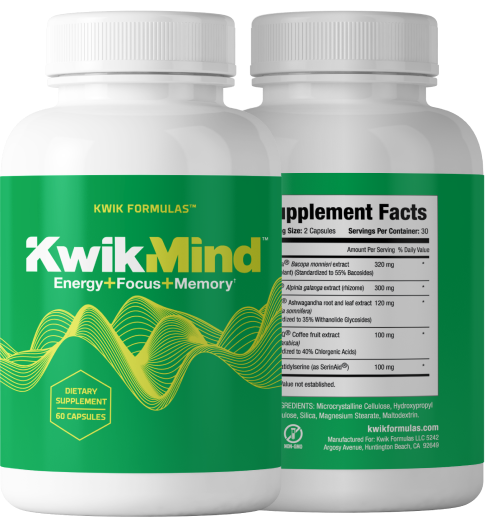
The Kwik Mind formula was carefully researched for over many years and was a result of my personal experience trying to find a supplement stack that would support my desire for more focus, energy and creativity.


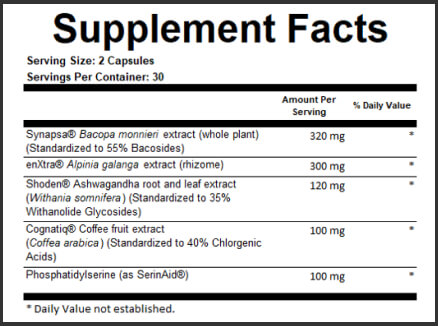
Synapsa® Bacopa monnieri extract:
A time-honored herb renowned for its potential to enhance cognitive function, Synapsa® Bacopa monnieri extract is clinically studied to support memory, improve learning rates, and increase mental processing, making it a cornerstone for cognitive vitality.

EnXtra® Alpinia galanga extract
EnXtra® Alpinia galanga extract is a caffeine-free botanical ingredient that boosts alertness and focus. Its unique properties help maintain mental energy levels without the downsides of common stimulants.


Shoden ® Ashwagandha extract
Shoden® Ashwagandha extract delivers the adaptogenic benefits of one of the most revered ancient herbs, known for its potential to reduce stress, combat fatigue, and support overall cognitive health.

CognatiQ® Coffee fruit extract:
Derived from the fruit of the coffee plant, CognatiQ® Coffee fruit extract is rich in polyphenols and supports the production of Brain-Derived Neurotrophic Factor (BDNF), playing a key role in brain health and function.

Phosphatidylserine (as SerinAid®)
Phosphatidylserine, provided in the high-quality form of SerinAid®, is crucial for brain cell function and integrity. It's been shown to aid memory, enhance mood, and support overall cognitive health, particularly in aging populations.
Shoden ® Ashwagandha extract
Shoden® Ashwagandha extract delivers the adaptogenic benefits of one of the most revered ancient herbs, known for its potential to reduce stress, combat fatigue, and support overall cognitive health.
CLEAN. COMPREHENSIVE. MADE WITH CARE.
- Gluten Free
- No Sugar Added
- No Eggs
- Nut Free
- No GMOs
- No Herbicides or Pesticides
- No Artificial Colors, Flavors
- Preservatives or Sweeteners
100% Satisfaction, 60-day money-back guarantee

Kwik Mind is formulated with five core ingredients, each selected for their ability to support and enhance cognitive function. Our meticulously developed formula is now available for those who seek to elevate their mental performance.
For athletes, executives, students, performers, and seniors alike, Kwik Mind delivers the cognitive support needed to excel and achieve peak performance in every area of life.
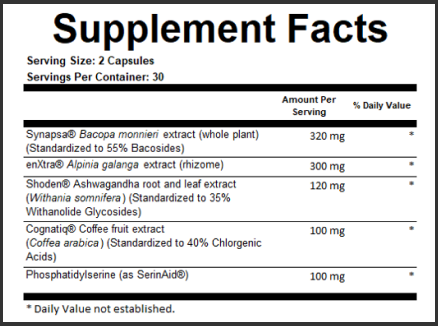
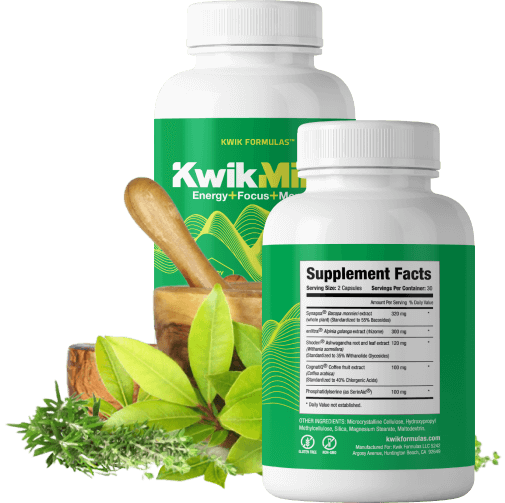
Kwik Mind is formulated with five core ingredients, each selected for their ability to support and enhance cognitive function. Our meticulously developed formula is now available for those who seek to elevate their mental performance.
For athletes, executives, students, performers, and seniors alike, Kwik Mind delivers the cognitive support needed to excel and achieve peak performance in every area of life.
A NOTE FROM
Dr OZ Garcia
As a dedicated nutritionist, I've always emphasized the importance of cognitive health, regardless of age. One effective approach is through brain supplements, but with so many options available, choosing the right one is crucial. This is where my expertise, honed over 30 years of working with clients to optimize their health and wellness, becomes invaluable.
When it comes to brain health, I understand precisely which ingredients are essential for the best brain support. By incorporating these key ingredients in Kwik Mind, I believe individuals can significantly support their cognitive health and enhance brain function. However, it's important to remember that supplements are not a panacea. A healthy lifestyle, encompassing regular exercise, a balanced diet, and good sleep habits, is just as crucial.
By taking Kwik Mind and combining these essential elements with a holistic approach to health, individuals can take proactive steps to maintain and improve their cognitive health as they age.

EXPERTS
Recommended By Top Health Experts & Performers

The plant-derived molecule mimics the effects of BDNF (Brain-derived neurotrophic factor) which is a compound found in plants which promotes the growth of neurons and synapses. Studies show that it can help brain repair, long-term memory, depression and neurodegenerative diseases.

Dr. Lisa Mosconi
PhD. Director of the Women’s Brain Initiative and Author of Brain Food and The XX Brain
The plant-derived molecule mimics the effects of BDNF (Brain-derived neurotrophic factor) which is a compound found in plants which promotes the growth of neurons and synapses. Studies show that it can help brain repair, long-term memory, depression and neurodegenerative diseases.
Dr. Lisa Mosconi
PhD. Director of the Women’s Brain Initiative and Author of Brain Food and The XX Brain
The plant-derived molecule mimics the effects of BDNF (Brain-derived neurotrophic factor) which is a compound found in plants which promotes the growth of neurons and synapses. Studies show that it can help brain repair, long-term memory, depression and neurodegenerative diseases.
Dr. Lisa Mosconi
PhD. Director of the Women’s Brain Initiative and Author of Brain Food and The XX Brain
The plant-derived molecule mimics the effects of BDNF (Brain-derived neurotrophic factor) which is a compound found in plants which promotes the growth of neurons and synapses. Studies show that it can help brain repair, long-term memory, depression and neurodegenerative diseases.
Dr. Lisa Mosconi
PhD. Director of the Women’s Brain Initiative and Author of Brain Food and The XX Brain
The plant-derived molecule mimics the effects of BDNF (Brain-derived neurotrophic factor) which is a compound found in plants which promotes the growth of neurons and synapses. Studies show that it can help brain repair, long-term memory, depression and neurodegenerative diseases.
Dr. Lisa Mosconi
PhD. Director of the Women’s Brain Initiative and Author of Brain Food and The XX Brain
The plant-derived molecule mimics the effects of BDNF (Brain-derived neurotrophic factor) which is a compound found in plants which promotes the growth of neurons and synapses. Studies show that it can help brain repair, long-term memory, depression and neurodegenerative diseases.
Dr. Lisa Mosconi
PhD. Director of the Women’s Brain Initiative and Author of Brain Food and The XX Brain
DIRECTIONS
How to Make the Most of Kwik Mind
Just 2 capsules a day. The KWIK brainer way to energized focus, memory, and mental performance.

STEP 1
Take 2 capsules in the morning with food. For optimal results make sure to include consumption with a high quality fat to increase absorption and uptake. Do not take late in the afternoon or evening if you are sensitive and are not looking to be alert for the night.

STEP 2
Do some form of movement or exercise for 20 minutes shortly after taking Kwik Mind. A brisk walk, yoga or light weights will do.

STEP 3
Observe your experience and support it with regular brain exercises and Kwik Learning Techniques.
BONUS TIP
We recommend you take Kwik Mind on a regular basis (4-5 times a week) over a minimum of 12 weeks.
The Limitless Brain you deserve.
A better you starts with a better brain
Shop Now100% Satisfaction, 60-day money-back guarantee

A NOTE FROM
Dr Halland
In the relentless pursuit of peak mental performance, regenerative health, and functional medicine, I've always been on the lookout for game-changers. Enter Kwik Mind: a powerhouse that's revolutionizing how we feed our brains. This isn't just another supplement; it's a brain-boosting product that has been meticulously engineered with science-backed ingredients to improve cognitive function and mesh seamlessly with a life dedicated to holistic health.
I've had the privilege of diving deep into brain health strategies with Jim on his podcast and at various leading conferences. These discussions have only solidified my belief in the transformative power of combining top-tier nutrition with strategic lifestyle choices for unmatched cognitive agility and longevity. Kwik Mind isn't just in harmony with these ideals—it's at the forefront, blending vital nutrients with a vision of comprehensive wellness.
Why does Kwik Mind stand out? Because it's built on the foundation of real, actionable health science that aligns with my professional recommendations. It's the superior choice for anyone serious about elevating their brain game to levels they didn't think possible... this is the upgrade your brain has been waiting for.
Halland Chen, MD
Founder | Medical Director
IMPACT HEALTH MEDICAL

MONEY BACK GUARANTEE
Our products come with a 60-day satisfaction guarantee. Simply email us to info@kwikformulas.com and let us know you want a refund. You can order confidently knowing that we have your back if there product doesn’t work for you.
FAQs
Kwik Mind Ingredient Study References:
Synapsa® Bacopa monnieri extract:
References
1. Indian J Psychiatry 2006; 48:238-242
2. Rejuvenation Research; DOI: 10.1002/ptr.7372
3. Neuropsychopharmacology; 2002 Aug;27(2):279-81.
4. Psychopharmacology (2001) 156:481–484
5. Phytother. Res. 22, 1629–1634 (2008)
6. Phytother. Res. (2013); DOI: 10.1002/ptr.5029
7. Phytother. Res. (2012); DOI: 10.1002/ptr.4864
8. Hum Psychopharmacol Clin Exp. 2001; 16:345-351.
9. J Altern Complement Med 2012 Jul;18(7):647-52.
EnXtra® Alpinia galanga extract:
References
1. Adv Complement Alt Med. 7(4). ACAM. 000669. 2023.
2. J Am Coll Nutr DOI:10.1080/07315724.2017.1342576.
3. BAOJ Nutrition 2017 3: 13:042.
4. Open Access Journal of Clinical Trials. 2018;10:43-49.
5. Journal of Complementary and Integrative Medicine 19:3, pages 645-659.
6. Advances in Biological Chemistry 08(04):69-80 DOI:10.4236/abc.2018.84006
Shoden® Ashwagandha extract:
References
1. Sleep Med 2020 Aug:72:28-36. doi: 10.1016.
2. Medicine (Baltimore). 2019;98(37):e17186.
3. Am J Mens Health. 2019;13(2):1557988319835985.
4. Phytother Res 2022 Nov;36(11):4115-4124.
Phosphatidylserine (as SerinAid®):
References
1. J Clin Biochem Nutr. 2010 Nov;47(3):246-55.
2. Korean Journal of Food Science and Technology 2022; doi.org/10.9721/KJFST.2022.54.1.52.
3. Nutrition 1999 Oct;15(10):778-83.
4. J Nutr. 2001 Nov;131(11):2951-6.
CognatiQ® Coffee fruit extract:
References
1. Journal of Cognitive Enhancement (2019) 3(2):193-206.
2. Food and Nutrition Sciences, 2013, 4, 984-990.
3. Br J Nutr. 2013 Aug 28;110(3):420-5.
4. Neuropsychol Dev Cogn B Aging Neuropsychol Cogn. 2020 Nov;27(6):918-934.
5. Antioxidants (Basel). 2021 Jan 20;10(2):144.
6. Handb Exp Pharmacol. 2014:220:223-50.
7. Front Cell Neurosci. 2014 Dec 22:8:430.
